The growing share of renewable energy is transforming how Spain’s electricity market operates. One of the most significant changes is the increasing frequency of hours with negative electricity prices, a situation that presents new challenges for energy producers, suppliers, and businesses that consume electricity.
In this context, long-term energy purchase agreements, known as Power Purchase Agreements (PPAs), remain an important tool for providing greater predictability in energy costs and revenues. However, evolving market conditions make it increasingly important to pay close attention to their contractual structure and how risks are allocated between the parties.
But what happens to a PPA when electricity prices turn negative? How can this affect businesses that purchase or produce renewable energy?

Why Do Negative Electricity Prices Occur?
Negative electricity prices occur when, during certain hours, the wholesale electricity market records a price below zero euros per megawatt-hour (€/MWh).
This situation can arise when high electricity generation, particularly from renewable sources, coincides with low demand and limited capacity to shift consumption, store energy, or export electricity to other markets.
For example, during certain midday hours, high solar photovoltaic generation may coincide with relatively low electricity consumption. Under these circumstances, some producers may be willing to offer electricity at negative prices due to their economic, technical, or contractual conditions.
A negative price does not necessarily mean that all producers have to pay to generate electricity or that consumers receive money for consuming it. The impact depends on market participation, contractual arrangements, and the applicable settlement mechanisms.
Negative Electricity Prices in Spain’s Electricity Market
The occurrence of negative electricity prices has become an increasingly relevant issue for Spain’s renewable energy sector.
According to a LevelTen Energy report published in October 2026, the P25 benchmark for solar PPA offer prices in Spain stood at €30.93/MWh in the third quarter of 2026, representing a 7.7% decrease compared with the previous year.
This trend reflects, among other factors, the downward pressure that high solar photovoltaic generation can exert on contracted electricity prices, particularly during peak solar production hours. This phenomenon, known as price cannibalization, occurs when a high supply of electricity from the same technology reduces its market value during periods of peak generation.
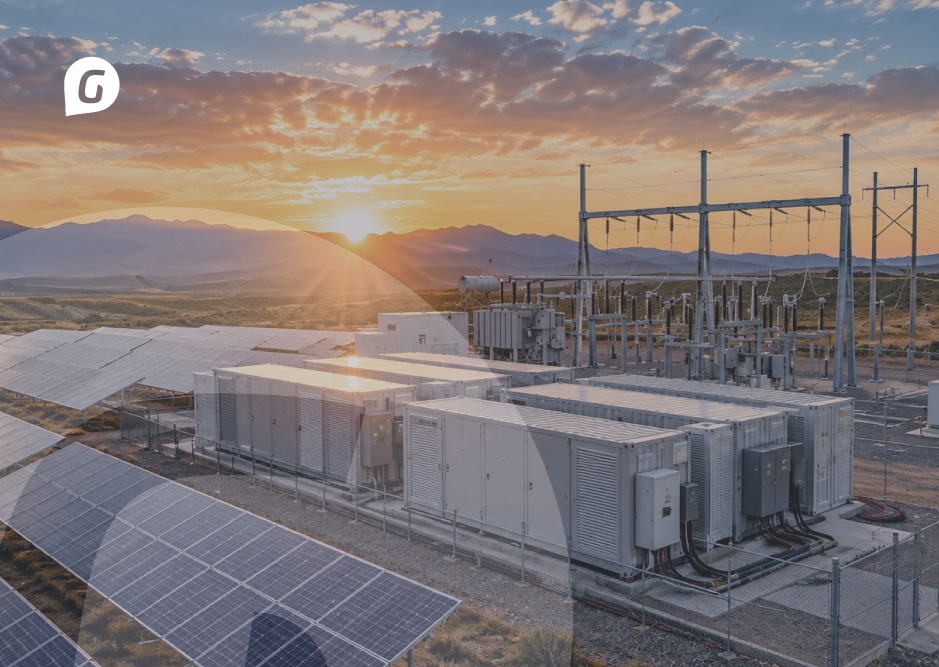
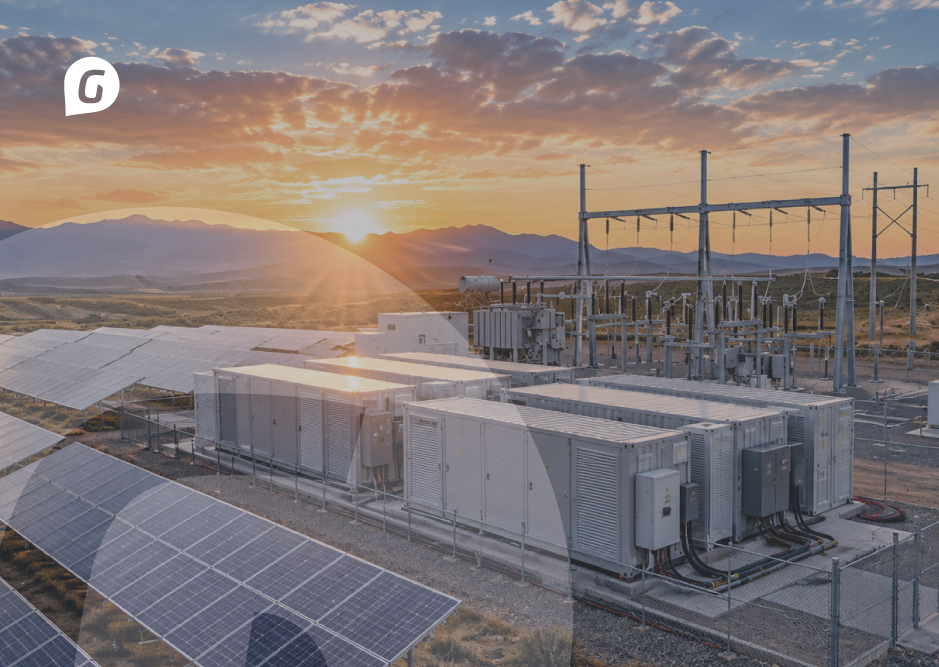
At the same time, hybrid configurations combining renewable generation and energy storage are becoming increasingly relevant as an alternative to improve energy delivery profiles and manage market volatility.
Therefore, the challenge is not only to generate renewable energy but also to manage when it is produced, at what price it is sold, and under which contractual conditions.
How Do Negative Electricity Prices Affect PPA Contracts?
The impact of negative electricity prices on a PPA depends primarily on its structure, the agreed price, and the clauses governing delivery and settlement conditions.
Under a fixed-price contract, the parties agree in advance on a price for the contracted electricity. However, this does not mean that all PPAs operate in the same way when wholesale electricity prices fall below zero.
Different contractual mechanisms can be used to manage these situations, depending on the type of PPA and the terms agreed upon by the parties.
1. Maintaining the Agreed Price During Negative-Price Hours
Some PPA contracts maintain the agreed financial terms even when wholesale electricity prices turn negative.
For example, if a company has signed a PPA at €45/MWh and the market price falls to −€10/MWh, the contract may continue to apply the agreed price to the corresponding electricity.
This structure can provide revenue predictability for the producer, although the buyer must consider that, during certain hours, the contracted price may exceed the market price.
2. Payment or Settlement Suspension Clauses
Other contracts include clauses that allow certain payments or settlements to be suspended when the market price falls below a specified threshold.
These clauses may be triggered from the first hour of negative prices or require the situation to continue for a specified period, depending on the agreed contractual terms.
Their purpose is to manage exposure to unfavorable market conditions, although they may also affect the predictability of the producer’s revenues.
3. Protection Mechanisms and Contractual Adjustments
PPAs may also include mechanisms such as price floors, trigger thresholds, limits on exposure to negative-price hours, or specific conditions for reducing electricity generation.
For example, a price floor may establish a minimum value for a variable used in the contract’s settlement calculation, but its financial impact will depend on how the contractual formula has been defined.
These mechanisms aim to establish an appropriate allocation of risks between the producer and the buyer, taking into account the characteristics of the project and the energy needs of both parties.
There is no single PPA structure that is automatically the most suitable for every company. The choice depends on consumption profiles, generation characteristics, financial objectives, and the level of market exposure each party is willing to assume.
What Risks Do Negative Electricity Prices Pose for Producers and Businesses?
Negative electricity prices can affect the parties involved in a PPA contract in different ways.
For renewable energy producers, the main challenge is maintaining revenue predictability in a market where the price received during peak generation hours may decline.
For businesses purchasing electricity, the risk lies in the relationship between the contracted price, the market price, and their actual electricity consumption needs.
A company may have secured part of its electricity supply through a PPA while remaining exposed to market fluctuations for any additional electricity it needs to purchase or for surplus volumes under its contractual position.
There may also be differences between when the contracted electricity is generated and when the company actually needs it.
For example, a solar photovoltaic installation may concentrate its production during the day, while an industrial facility maintains high electricity demand in the afternoon or at night.
For this reason, analyzing hourly generation and consumption profiles is just as important as evaluating the contract price.
What Should Businesses Consider Before Signing a PPA?
In an electricity market with a growing share of renewable energy and periods of negative prices, energy procurement requires evaluating several factors.
– Consumption and generation profiles: It is important to understand when a company consumes electricity and how generation from the renewable energy installation associated with the contract is distributed throughout the day. The closer these profiles match, the lower the potential need to manage differences between contracted and actual electricity consumption.
– Pricing and settlement conditions: The agreed price should be analyzed alongside clauses governing exceptional situations, particularly hours with negative electricity prices. It is also necessary to establish how potential differences between contracted, generated, and consumed electricity are calculated and settled.
– Risk allocation: Contracts should clearly define which party assumes the risks associated with generation volumes, hourly profiles, market prices, and potential generation restrictions. This allocation can influence both price competitiveness and the financial stability of the agreement.
– Contract duration and flexibility: PPAs typically involve long-term commitments, making it important to assess how a company’s energy needs are expected to evolve. Review provisions, guarantees, and contractual adjustment mechanisms may also become particularly relevant.
– Integration with other energy solutions: In certain projects, combining renewable generation, energy storage, and energy management tools can help improve electricity utilization and reduce certain market exposures. The suitability of these solutions should be assessed based on their costs, technical requirements, and economic viability.
The Role of Energy Storage and Flexibility During Negative-Price Periods
The increasing occurrence of low or negative electricity prices also highlights the importance of introducing greater flexibility into the electricity system.
Battery energy storage systems, known as BESS (Battery Energy Storage Systems), make it possible to shift part of the electricity supply between different times of the day.
In this way, a battery can store electricity during lower-price hours and use or sell it later, when demand is higher or prices are more favorable.
However, the profitability of these operations depends on factors such as hourly price spreads, system efficiency, battery degradation, and associated operating costs.
Flexibility can also be achieved through other solutions, including demand management and the optimization of electricity consumption profiles.
These solutions do not eliminate the risks associated with a PPA, but they can form part of a broader energy strategy to manage volatility and improve the value of renewable energy assets.
The Future of PPAs in a More Flexible Electricity Market
The evolution of the electricity market is driving new approaches to structuring PPA contracts. Beyond establishing a long-term price, it is becoming increasingly important to adapt contractual conditions to generation profiles, consumption needs, and exposure to market volatility.
In this context, solutions incorporating mechanisms to manage negative electricity prices, contracts with tailored delivery profiles, and agreements combining renewable generation with energy storage are gaining relevance.
These alternatives can help improve the alignment between electricity generation and demand, although their feasibility depends on the technical and economic characteristics of each project.
As a result, PPAs are evolving toward structures that aim to combine financial predictability, flexibility, and a balanced allocation of risks while maintaining their role in long-term renewable energy procurement.
Greening and the Evolution of Energy Procurement
Electricity market volatility and the growth of renewable energy are transforming the energy needs of businesses. In this context, developing an electricity supply strategy that takes prices, consumption profiles, and contractual risks into account is becoming increasingly important.
In line with its 2026–2030 Strategic Plan, Greening is moving toward an integrated energy platform model, with industrial self-consumption, energy retail and trading, and energy flexibility as its main growth areas.
This strategic direction responds to a market in which the value of electricity increasingly depends on when it is generated, how it is contracted, and how it is managed.
PPA contracts are part of this evolving landscape and highlight the importance of assessing renewable energy supply conditions from financial, contractual, and operational perspectives.
Frequently Asked Questions About PPAs and Negative Electricity Prices
What Happens to a PPA When Electricity Prices Turn Negative?
It depends on the contractual terms. Some PPAs maintain the agreed price, while others include settlement suspension clauses, price floors, or specific mechanisms to manage negative-price hours.
Do Negative Electricity Prices Negatively Affect Solar Energy Producers?
They may experience lower revenues when selling electricity directly into the market. However, the impact depends on their sales strategy, PPA contracts, hedging mechanisms, and the operating conditions of the facility.
Can a Company with a PPA Benefit from Negative Electricity Prices?
Under certain circumstances, yes. It depends on the contract structure, the company’s exposure to the market, and its consumption profile. A fixed-price PPA does not necessarily mean that the company can benefit from negative-price hours.
Which PPA Clauses Should Be Reviewed When Electricity Prices Turn Negative?
It is important to review settlement terms, price floors, trigger thresholds, potential payment suspensions, generation restrictions, and the allocation of price and volume risks.
Can Energy Storage Reduce the Impact of Negative Electricity Prices?
Energy storage can help shift electricity to higher-value hours and improve operational flexibility. However, its benefits depend on the system’s technical characteristics, market prices, and associated costs.
Are PPA Contracts Still an Attractive Option for Businesses?
Yes, PPAs can still be a useful tool for providing greater predictability for part of a company’s energy supply and facilitating long-term renewable energy procurement. Their suitability depends on the price, contractual terms, and specific needs of each business.