The growth of renewable energy is transforming the way the power system operates and increasing the need for solutions capable of providing flexibility. In this context, battery energy storage systems (BESS) make it possible to manage electricity at different times, facilitate renewable energy integration, and optimize the operation of energy assets.
However, not all energy storage projects follow the same model. One of the main decisions during their development is whether to choose a standalone BESS, which operates as an independent installation, or a hybrid system, which combines storage with renewable generation.
The difference goes beyond the technical configuration: it affects grid access, operational possibilities, investment, and the project’s revenue model.

What is the difference between a standalone BESS and a hybrid system?
The main difference lies in how storage is integrated into the power system.
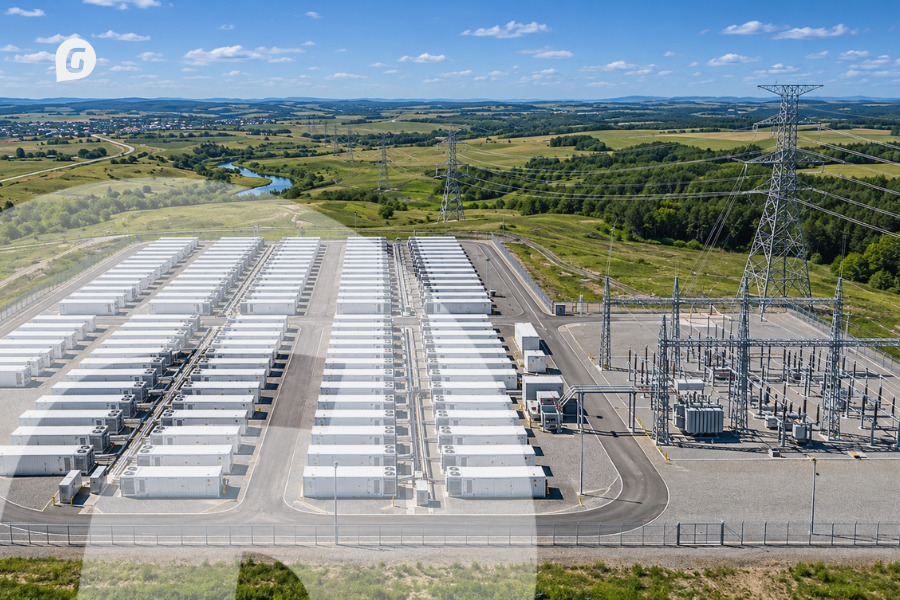
A standalone BESS is an independent installation that stores electricity and can charge or discharge energy according to its operating strategy and grid connection and market conditions.
A hybrid system combines batteries with a renewable energy generation facility, typically solar photovoltaic or wind, to jointly manage electricity generation and storage.
Both configurations can contribute to energy flexibility, but they have different infrastructure requirements and operating strategies.
What is a standalone BESS and what are its advantages?
A Battery Energy Storage System or BESS is a system that makes it possible to store electrical energy in batteries and use it later. It consists of batteries, power conversion systems, control equipment, and energy management systems.
In a standalone configuration, storage is developed as an independent asset, without being integrated into a specific renewable energy plant.
This independence makes it possible to establish charging and discharging strategies based on market conditions and the needs of the power system.
Main advantages of standalone BESS
- Operational flexibility: makes it possible to manage charging and discharging without depending directly on the output of a solar or wind plant.
- Strategic location: facilitates the selection of sites based on grid conditions and project opportunities.
- Revenue diversification: it can take advantage of different market mechanisms and system services, provided that it meets the corresponding technical and regulatory requirements.
- Independent management: makes it possible to develop a specific operating strategy for the storage asset.
However, its viability is influenced by factors such as the availability of grid access and connection, infrastructure costs, market conditions, and the evolution of expected revenues.
What is a hybrid renewable generation and storage system?
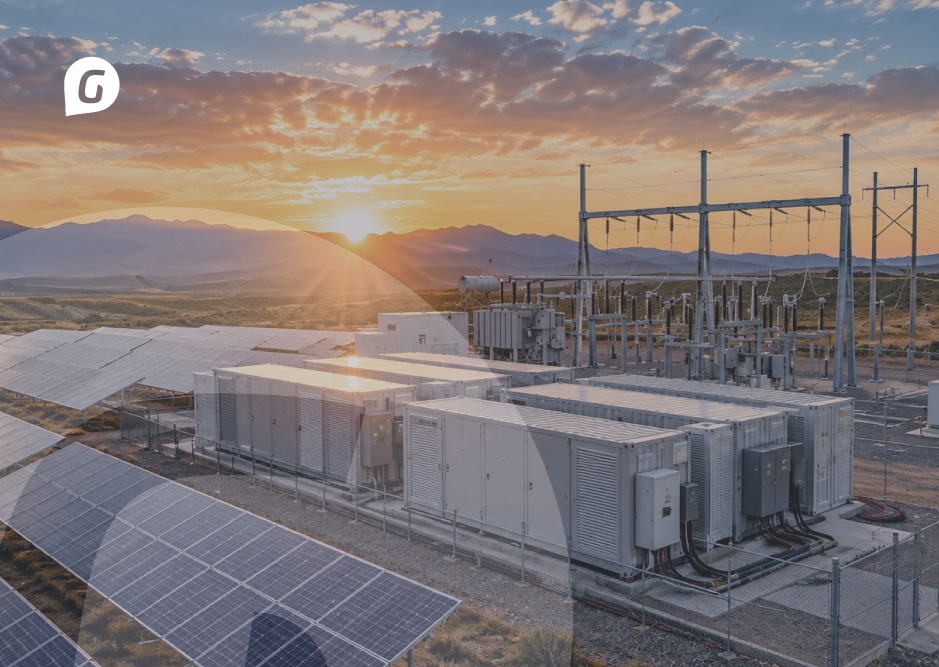
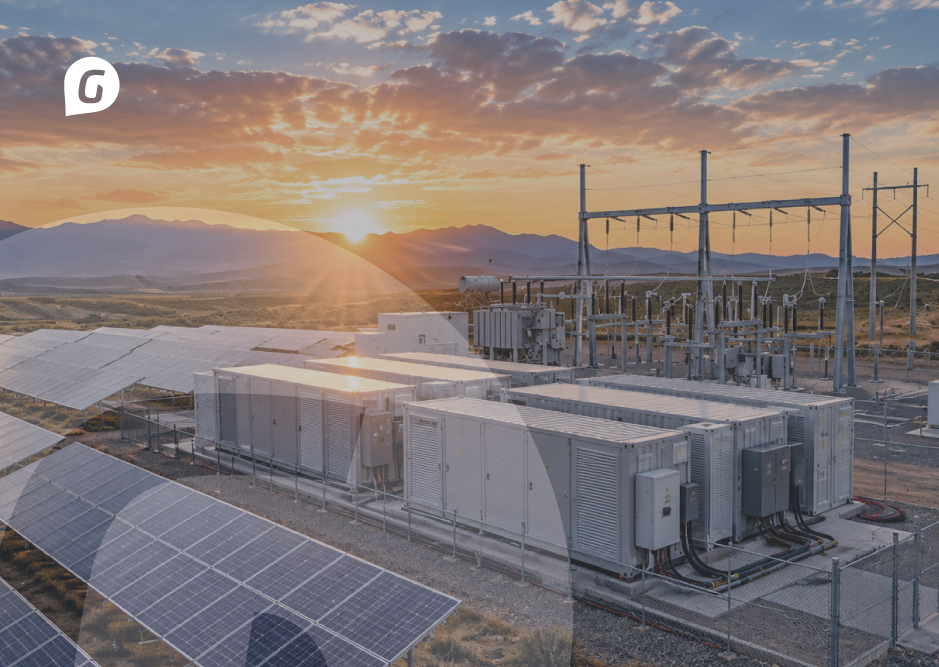
A hybrid system integrates a renewable energy generation facility with batteries to jointly manage energy generation and storage.
For example, a photovoltaic plant can incorporate batteries to store part of the electricity generated during periods of higher production and deliver it later, when technical or economic conditions are more favorable.
This configuration makes it possible to shift energy between different periods and develop a joint operating strategy.
Main advantages of hybrid systems
- Greater use of renewable generation: storage can help reduce certain energy curtailments.
- Infrastructure optimization: it can use grid connection and export infrastructure shared with the renewable energy facility.
- Joint management of generation and storage: facilitates planning energy delivery according to generation and market conditions.
- Greater adaptability: makes it possible to modify the facility’s electricity delivery profile within its technical limits.
Hybridization also introduces challenges related to sizing, coordination between technologies, and shared infrastructure constraints.
In addition, sharing a connection point does not mean having unlimited export capacity. Operation must comply with the applicable permits and technical limitations.
Standalone BESS vs. hybrid systems: technical comparison
Although both configurations use battery energy storage systems, there are significant differences for developers, operators, and investors.
| Criteria | Standalone BESS | Hybrid system |
|---|---|---|
| Configuration | Independent storage | Integrated renewable generation and storage |
| Energy source | Usually electricity from the grid | Associated generation and, if permitted, electricity from the grid |
| Electrical connection | Generally its own connection | Can share a connection with the renewable energy plant |
| Operating strategy | Independent of a specific generation plant | Coordinated with renewable generation |
| Infrastructure | Requires evaluation of an independent connection | Can use shared infrastructure |
| Revenue model | Associated with storage operation | Associated with the joint optimization of generation and storage |
| Main constraint | Grid access and market viability | Technical integration and shared constraints |
The choice does not depend solely on the advantages of each technology. A hybrid system is not necessarily more profitable than a standalone system, nor does an independent installation always offer greater economic flexibility.
Each project must be evaluated according to its technical, regulatory, and financial conditions.
What factors determine the choice between standalone and hybrid BESS?
To select a configuration, it is necessary to analyze the characteristics of the project and its operating strategy.
1. Grid access and connection
The availability of grid access and connection capacity is one of the decisive factors in the development of energy storage.
Standalone systems need to have the necessary connection conditions to operate independently.
In contrast, hybridization may make it possible to use the connection point of an existing renewable energy facility.
In Spain, the Ministry for the Ecological Transition and the Demographic Challenge (MITECO) establishes that generation facilities incorporating storage can use the same connection point and granted access capacity, provided that they meet the applicable technical requirements.
This can represent an advantage for certain hybrid projects, although the specific conditions of the facility must be assessed.
2. Operating strategy and revenue model
The profitability of a BESS does not depend exclusively on its installed capacity, but also on how it is used.
One of its possible applications is energy arbitrage, which consists of storing electricity during periods of lower prices and discharging it when prices are higher.
However, the price differential does not translate directly into economic profit: energy losses, operating costs, battery degradation, and other market conditions must be considered.
In addition, certain installations can participate in flexibility or balancing services when regulations and their technical characteristics allow it.
In hybrid systems, the strategy must also incorporate renewable generation forecasts and connection point limitations.
3. Investment and infrastructure costs
Investment in energy storage goes beyond the cost of the batteries. The budget may include power conversion systems, transformers, connection infrastructure, civil works, auxiliary equipment, safety systems, control, and monitoring.
In certain hybrid projects, sharing infrastructure with the renewable energy facility can reduce some investment requirements. However, integration may also require technical adaptations.
Therefore, the comparison must be carried out through a comprehensive economic analysis, considering both the initial investment and operating costs throughout the asset’s useful life.
4. Power, capacity, and storage duration
Sizing is another fundamental element.
Power, expressed in MW, indicates the amount of electricity that a system can charge or discharge at a given time.
Energy capacity, expressed in MWh, represents the amount of energy it can store.
For example, a 20 MW and 40 MWh BESS has a nominal discharge duration of two hours at full power, before considering technical limitations and operating losses.
The appropriate duration depends on the intended services, operating strategy, and economic model.
A battery with greater capacity does not by itself guarantee better financial results.
Energy storage in Spain: a market that needs flexibility
The development of energy storage is taking place in a context of transformation of the Spanish power system.
According to Red Eléctrica’s report The Spanish Power System in 2025, storage systems, including pumped storage and batteries, helped integrate 9,213 GWh of energy during 2025, 6.2% more than the previous year.
This figure reflects the growing importance of managing energy in a system with high renewable energy penetration.
The International Energy Agency (IEA), in its 2026 analysis of Spain, also highlights the need to strengthen flexibility, modernize power grids, and facilitate the development of energy storage.
Both standalone and hybrid projects can contribute to these objectives, although their deployment depends on the regulatory, technical, and economic conditions of each location.
Energy optimization: a key element for both models
Beyond choosing between a standalone or hybrid configuration, one of the main factors determining the value of energy storage is its operating strategy.
Planning charging and discharging cycles must take multiple variables into account: electricity prices, generation forecasts, energy availability, state of charge, battery degradation, and technical constraints.
In a changing energy market, these decisions require a combination of information, technology, and specialized expertise.
Therefore, energy optimization makes it possible to move from simply having storage capacity to managing it according to the opportunities and needs of the power system.
This approach is aligned with the positioning of New Greening as an integrated energy platform, combining industrial, technological, and commercial capabilities across the energy value chain. In this context, energy storage and optimization play a fundamental role in responding to the flexibility and efficiency needs of the power system.
The integration of these capabilities makes it possible to approach energy storage from a perspective that considers both the infrastructure and its operational management.
Which energy storage model should you choose?
There is no universally better solution.
A standalone BESS can be particularly attractive when the objective is to develop an independent asset, with its own operating strategy and opportunities to participate in electricity markets.
A hybrid system can offer advantages when there is associated renewable generation and opportunities to make better use of the energy produced and the available infrastructure.
In both cases, the decision should be based on a technical and economic analysis that considers grid connection, sizing, costs, the revenue model, and operating conditions.
Ultimately, the value of energy storage does not depend solely on installing batteries, but on designing, integrating, and optimizing each solution according to the actual needs of the project and the power system.
Frequently asked questions about standalone BESS and hybrid systems
Can a standalone BESS store renewable energy?
Yes. A standalone BESS can store electricity from renewable sources purchased through the grid, even if it is not directly connected to a solar or wind plant. The renewable origin of the energy must be certified through the corresponding mechanisms.
Can a hybrid system charge its batteries from the power grid?
Yes, provided that its technical configuration, grid access and connection permits, and applicable regulations allow it. Although hybrid systems usually make use of the associated renewable generation, some installations can also charge their batteries from the grid.
What influences the profitability of a BESS energy storage system?
Profitability depends on factors such as the initial investment, system capacity and power, electricity prices, operating costs, and the charging and discharging strategy. Energy optimization is essential to take advantage of market opportunities.
Can batteries be added to an existing solar or wind plant?
Yes. An existing renewable energy facility can incorporate batteries through a hybridization project. To do so, it is necessary to evaluate the available infrastructure, connection capacity, technical compatibility, and the corresponding administrative requirements.
What are the differences in grid connection between a standalone BESS and a hybrid BESS?
A standalone BESS generally has its own connection point to the power grid. In contrast, a hybrid system can share the connection point with a renewable energy facility, provided that it meets the applicable technical and regulatory requirements.