- The project, located in Palacios de Goda, has received a favorable Environmental Impact Assessment from the Regional Government of Castilla y León
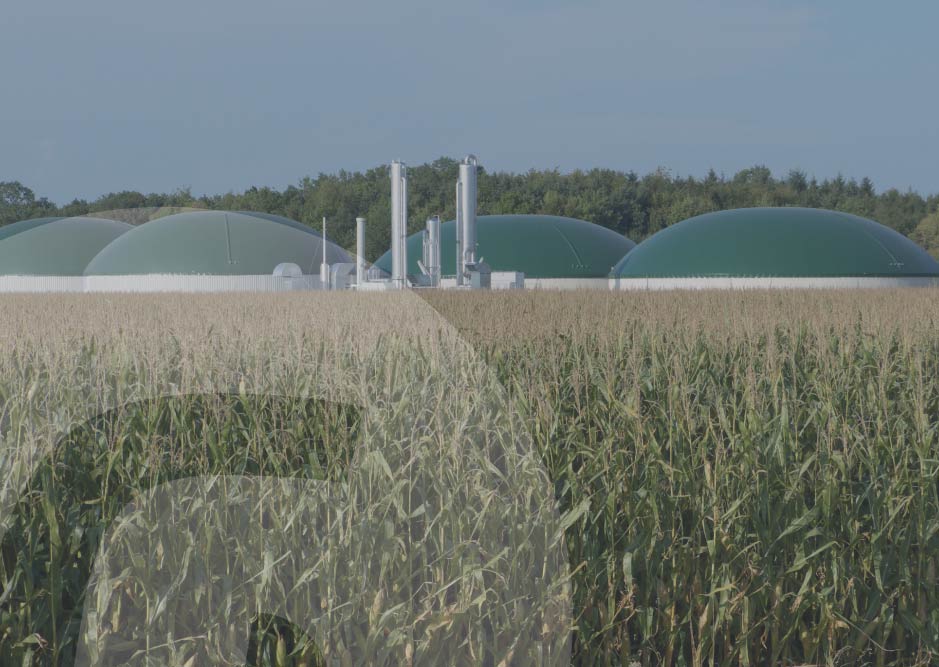
- The plant will enable the recovery of agricultural and livestock waste to produce biomethane through controlled and monitored processes
- The facility aims to transform agricultural and livestock waste into renewable energy
Madrid, May 19, 2026.
The alliance formed by Greening, Atlantica, and Edison Next continues advancing its biomethane strategy in Spain following the approval of the Environmental Impact Assessment (EIA) for its agricultural and livestock waste recovery project in Palacios de Goda (Ávila), an initiative designed to promote the circular economy and accelerate the decarbonization of the energy system.
The project will transform agricultural and livestock waste generated in the surrounding area into biomethane through anaerobic digestion processes. The plant will process organic waste such as slurry and manure to generate renewable gas suitable for injection into the natural gas grid, helping replace fossil fuels with locally sourced renewable energy.
In addition, the infrastructure will produce enough energy to supply more than 8,000 homes annually, contributing to emissions reduction while promoting economic activity and job creation in rural communities.
Likewise, the project includes the use of digestate generated during the process for agricultural applications in the region, supporting a circular economy model based on efficient resource recovery and reducing the environmental impact associated with agricultural and livestock waste management.
The facility is part of the biomethane project portfolio being developed by the alliance in Spain, a strategic agreement aimed at promoting renewable infrastructure capable of generating dispatchable energy, strengthening energy independence, and encouraging sustainable waste recovery models.
The environmental resolution issued by the regional administration concludes that, with the implementation of the planned preventive and corrective measures, the project will not adversely affect the integrity of the protected Natura 2000 network areas. In this regard, the plant will incorporate advanced environmental monitoring and control systems designed to minimize any impact on the surrounding environment and ensure respectful integration with the territory.
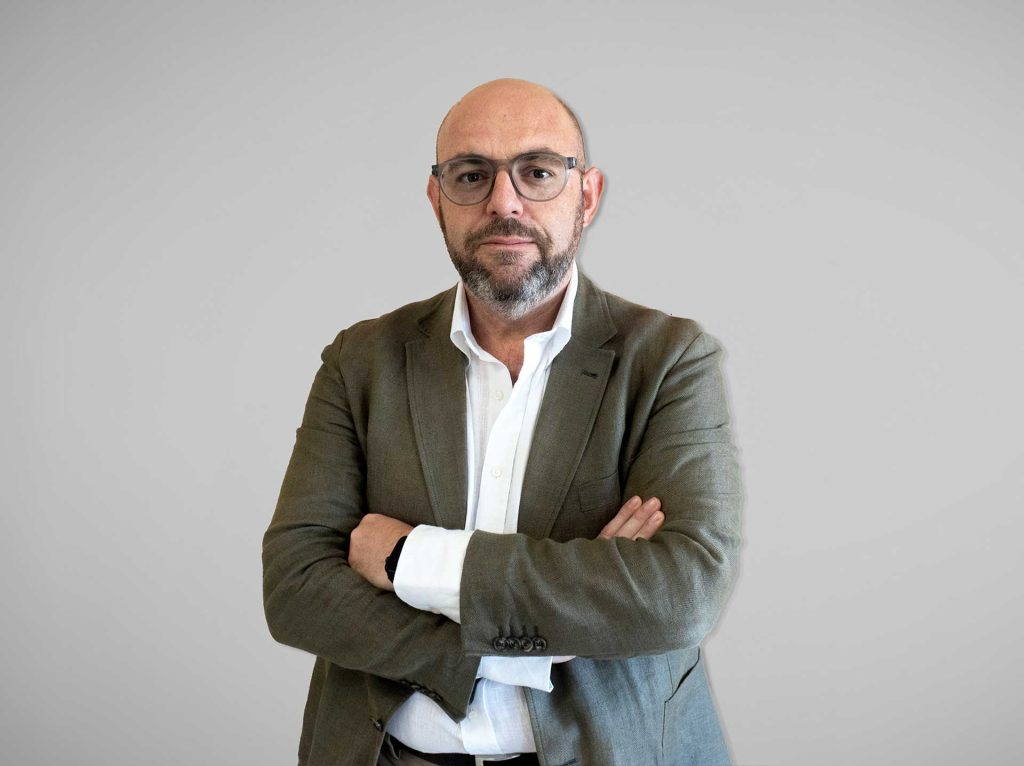
“This project represents the energy transition model we support at Greening: renewable generation, waste recovery, and sustainable industrial development connected to local communities. Biomethane will play a key role in advancing toward a more circular, competitive, and decarbonized energy system,” said Pablo Otín, CEO of Greening.
“At Atlantica, we strongly believe biomethane will be a key technology to strengthen the independence of Spain’s energy system. Projects such as Palacios de Goda demonstrate that it is possible to transform agricultural and livestock waste into local renewable energy, generate value in rural areas, and move toward a more sustainable, efficient, and competitive energy model” said Carlos Colon, Country Manager of Atlantica in Spain.
Meanwhile, José María Otero, Corporate Development Director at Edison Next, highlighted that “the development of biomethane is essential to accelerate the energy transition and move toward a more circular and decarbonized model. This project reflects how collaboration between companies can drive innovative solutions that combine sustainability, efficient waste management, and economic development for local communities.”
With this initiative, the alliance between Greening, Atlantica, and Edison Next continues strengthening its position in the biomethane market, a strategic technology for Europe due to its ability to generate dispatchable renewable energy and accelerate the decarbonization of industrial sectors and gas networks.
Read more at elEconomista