- The company is entering a new phase built on solid foundations that combine the strengths of EiDF and Greening.
- This new stage is marked by strengthened corporate governance and the arrival of a new management team, with the appointment of a new CEO and CFO.
- The capital increase will strengthen the balance sheet and provide the company with greater capacity to accelerate execution of the strategic plan. The transaction is already 50% secured.
- The Plan is built on three growth drivers: the three main business lines, complementary platforms, and asset rotation.
Madrid, April 20, 2026
Greening has announced the launch of its new 2026–2030 Strategic Plan, marking the beginning of a new phase in which it aims to become a leader in industrial energy supply. Through this roadmap, the company will transform its business model into an integrated energy platform, with more recurring revenue streams, greater cash flow visibility, and a solid structure for sustainable growth.
This new stage builds on more than fifteen years of experience and on the strategic complementarity between Greening and EiDF. The combination of both companies creates a platform with enhanced technical, commercial, and operational capabilities, ready to deliver comprehensive solutions to industrial clients and capture new growth opportunities in the energy sector.
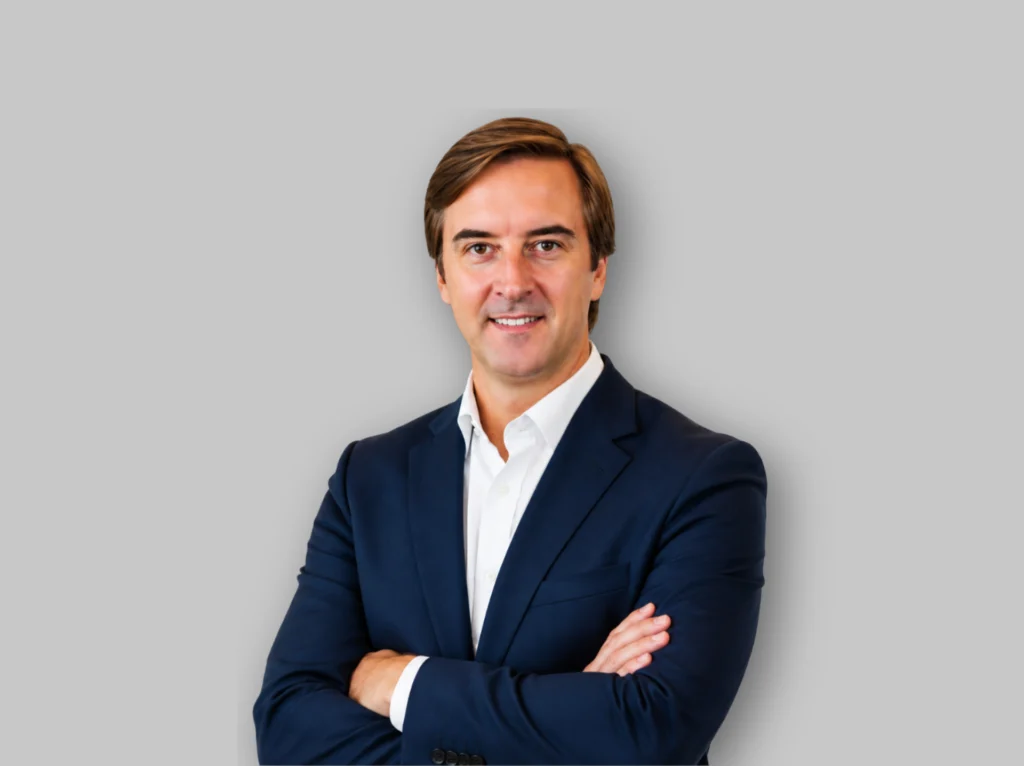
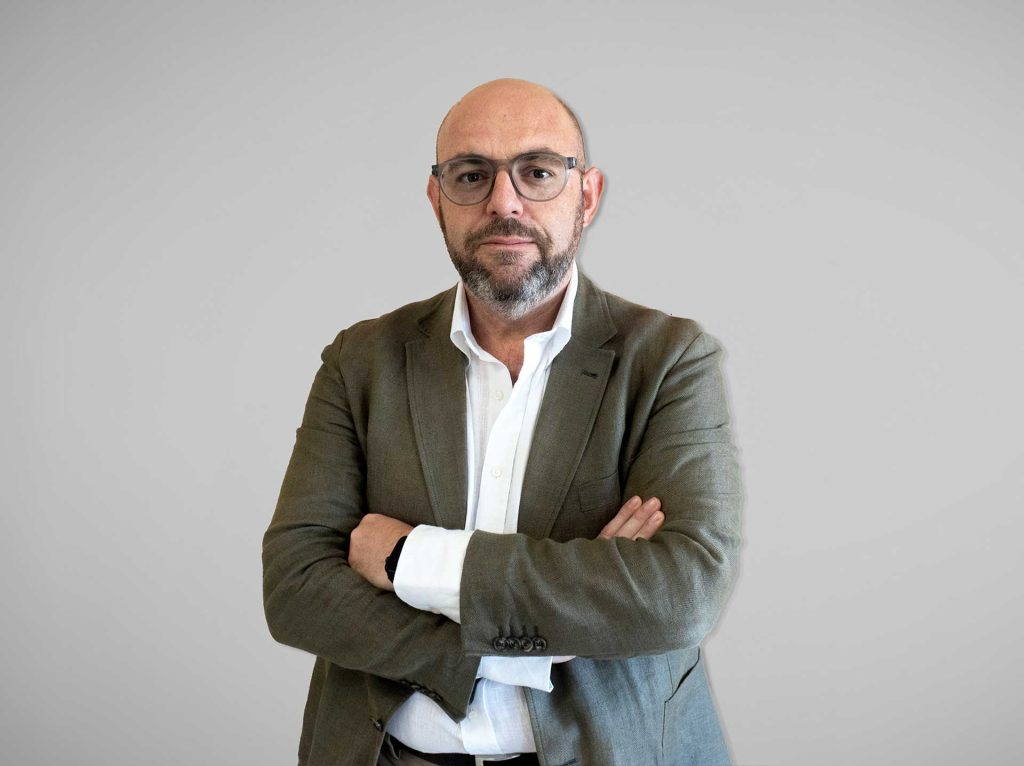
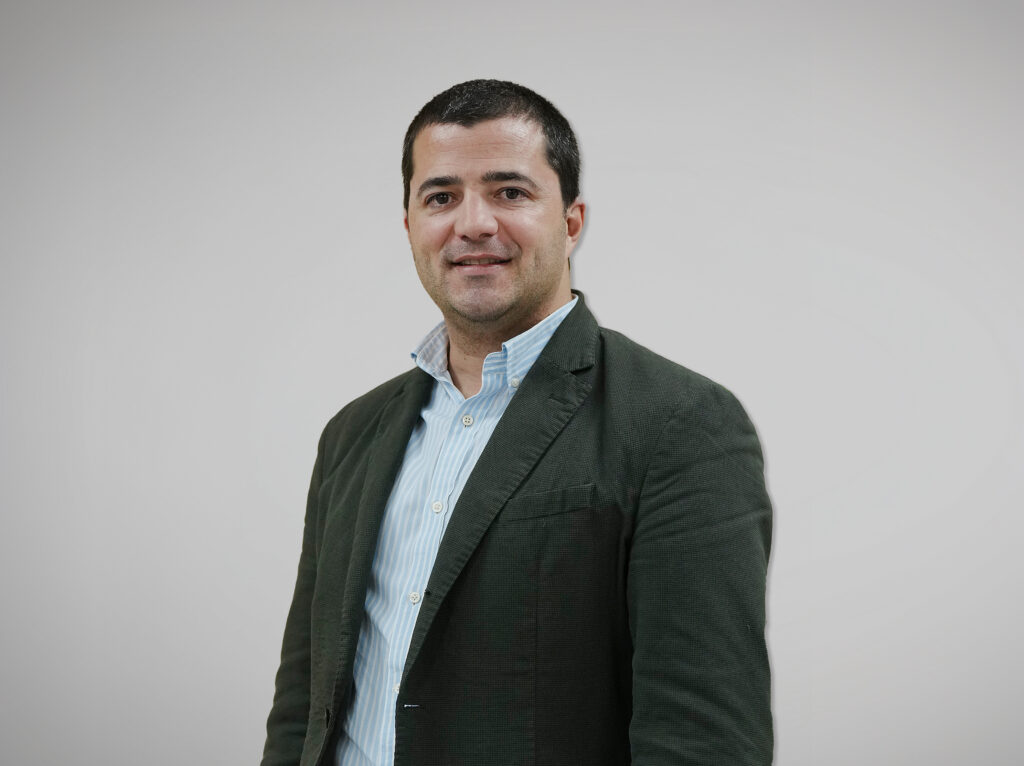
This transformation phase, driven by the appointment of Pablo Otín as CEO and Felipe García Agustín as CFO, will be reinforced by a renewal of the Board of Directors, aligned with the group’s new strategic objectives and aimed at strengthening corporate governance, financial discipline, and decision-making in this new growth phase. The company also plans to increase the presence of independent directors on its Board, in line with best market practices.
Value Creation Drivers
In an environment shaped by increasing electrification, energy price volatility, and grid congestion, Greening has redefined its strategy to evolve from a model focused on development and generation toward one more closely aligned with demand and the end customer. Accordingly, it has structured its business model around three main pillars: industrial self-consumption as the primary growth driver, energy trading, which will benefit from utility-scale generation from operational plants, and energy flexibility, where the company positions itself as an operator of energy storage systems (BESS).
The group will also promote high value-added businesses such as biomethane platform development, where it already has 20 projects, and solar panel recycling, which has significant potential, particularly in Spain. These initiatives will be carried out alongside strategic partners and will help diversify revenue streams and strengthen the company’s positioning in the energy transition.
The company identifies M&A as a third value creation lever. The industry is moving toward a phase of consolidation in Spain, in which Greening expects to play a relevant role. Its goal is to continue growing through acquisitions that add value, accelerate the plan, and strengthen its supply capabilities.
Priority Markets
The company, which has identified Spain and Italy as priority markets in its Strategic Plan, will streamline its footprint by divesting non-strategic activities and markets such as Mexico, Germany, and Morocco. This will optimize capital allocation, simplify the group structure, and reinforce its focus on higher-margin businesses.
In parallel, in the United States, Greening will promote a differentiated model based on asset rotation, focused on developing projects for subsequent sale to investors. This approach will act as an additional value creation lever.
“With this Strategic Plan, we are entering a new phase for Greening. Our goal is not only to grow, but to do so with greater focus, higher profitability, and a stronger financial structure. We aim to build a more efficient, more focused company clearly oriented toward value creation,” said Pablo Otín, CEO of Greening.
Focused on Value Creation with a Stronger Financial Position
Through this roadmap, Greening expects to reach 346 MW by 2030, supported by the progressive addition of new capacity and a model designed to generate more recurring revenue and greater cash flow visibility.
By 2030, the new Greening expects to achieve pro forma revenues exceeding €139 million and pro forma EBITDA of €35 million, reflecting a more recurring, predictable, and cash-generative model. The execution of planned M&A transactions will act as a catalyst, potentially accelerating the achievement of these targets.
This will be supported by the progressive improvement of its financial position, driven by operating cash flow generation, selective asset rotation, and cash flows generated by its projects. In this context, Greening has launched a capital increase of up to €30 million, a key lever to further strengthen the group’s financial structure and enhance its ability to execute its roadmap in this new phase. The transaction is already 50% secured.
“We are building a company focused on value, profitability, and the customer. Demand, flexibility, and operations will be the pillars of the new Greening,” concluded Ignacio Salcedo, Executive Chairman of Greening.
Read more at Europa Press.